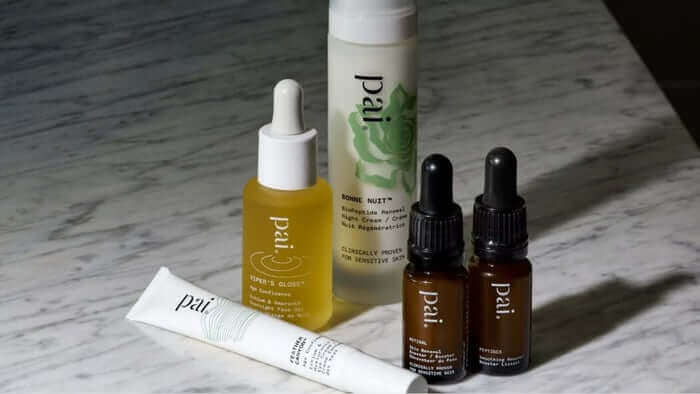

Face oils deliver serious skincare results. That expensive bottle on your bathroom shelf might already be past its best. Oxidised oils aren't just ineffective. They can actually irritate sensitive skin.
We get this question constantly about our bestselling Rosehip BioRegenerate Oil. Here's how to spot when your face oil has gone bad, what makes some oils expire faster than others, and why the extraction method matters more than you think.
What happens when face oil expires?
Face oils contain concentrated active ingredients that deliver visible results. That's why they cost more than most moisturisers. But those same actives that make oils so effective also make them vulnerable to oxidation.
When oxygen meets the polyunsaturated fatty acids in your face oil, it triggers a chain reaction. The oil's molecular structure breaks down. Antioxidants degrade. What started as a potent skin treatment becomes, at best, an expensive moisturiser with compromised benefits.
At worst? Oxidised oils can trigger reactions, especially on sensitive skin. The breakdown products of rancid oils are pro-inflammatory. They can cause redness, breakouts, and irritation. Not exactly what you signed up for.
Here's the good news: our Rosehip BioRegenerate Oil stays fresh significantly longer than standard cold-pressed oils. CO2 extraction happens in an oxygen-free environment, which means the oil starts its life less oxidised. Plus, we add vitamin E (tocopherol), nature's own antioxidant preservative, to protect the oil from free radical damage and extend its shelf life.
The three signs your face oil has gone rancid
1. Trust your nose
Fresh face oil should smell clean and characteristic of its source. Rosehip Oil has an earthy, slightly herbaceous scent. Some describe it as green or grassy.
Rancid oil? That's unmistakable. It smells musty, sour, or like old cooking oil. Some compare it to stale butter or wet cardboard. If your oil makes you wrinkle your nose, it's time to bin it.
2. Check the colour
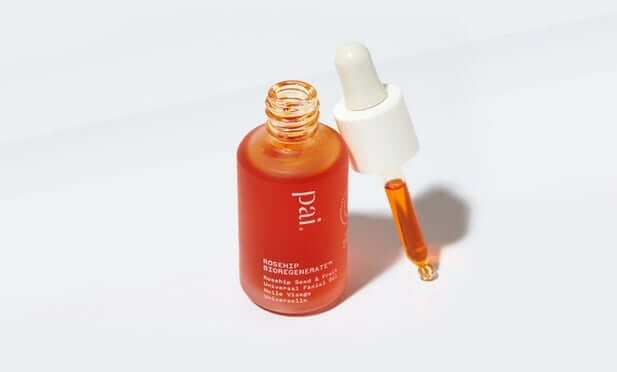
Colour tells you everything about oil quality. Our Rosehip BioRegenerate has a distinctive deep orange hue. That vibrant colour comes from carotenoids: beta-carotene and lycopene, the same antioxidants that make carrots orange and tomatoes red.
When oils oxidise, these carotenoids break down first. The oil fades from bright orange to pale gold, then to a dull yellow. If your rosehip oil looks like olive oil, those skin-protecting antioxidants are gone.
This colour test works for other oils too. Fresh marula oil should be pale gold. Argan oil should have a golden amber tint. Any significant fading means oxidation has begun.
3. Feel the texture
Oxidation changes how oil feels on your skin. Fresh face oils absorb cleanly, leaving skin soft but not greasy. Oxidised oils feel sticky, heavy, or leave a tacky residue that won't absorb properly.
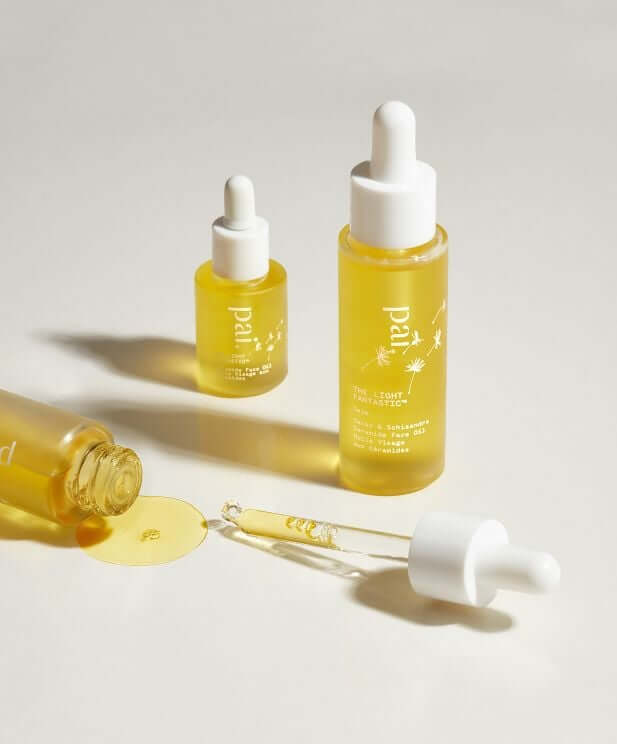
Oils high in polyunsaturated fatty acids oxidise fastest. Borage, hemp, and evening primrose oils are particularly vulnerable. They feel light and silky when fresh but turn thick and gummy as they degrade. If your lightweight oil suddenly feels heavy, oxidation is the culprit.
Why some face oils expire faster than others
Not all oils are created equal when it comes to stability. The fatty acid profile determines how quickly an oil will oxidise.
Oils rich in saturated fats (like coconut) are extremely stable. They can last years without going rancid. But saturated oils feel heavy on skin and can clog pores.
Monounsaturated oils (like jojoba and marula) offer a good balance. They're reasonably stable while still feeling lightweight. These typically last 12-18 months once opened.
Polyunsaturated oils deliver the most skin benefits but oxidise fastest. Rosehip, borage, and evening primrose oils are packed with linoleic and alpha-linolenic acids. These essential fatty acids repair the skin barrier and boost cell turnover. But their chemical structure, with multiple double bonds, makes them magnets for oxygen molecules.
That's why extraction method matters so much. Cold-pressed polyunsaturated oils might only last 3-6 months. Our CO2-extracted Rosehip BioRegenerate stays fresh for 18 months. The oxygen-free extraction process preserves the oil in a less oxidised state from day one.
How to maximise your face oil's lifespan
Proper storage can double your oil's usable life. Here's how to protect your investment:
Keep it cool and dark. Heat and light accelerate oxidation. Store oils in their original packaging (our amber glass blocks UV rays) in a cool cupboard or drawer. Never leave them on a sunny windowsill or in a steamy bathroom.
Minimise air exposure. Each time you open the bottle, fresh oxygen enters. Use oils with pump dispensers or droppers rather than open-neck bottles. Replace the cap immediately after use.
Buy the right size. A 30ml bottle used nightly will last about 3 months. That's perfect for even the most delicate oils. Buying a 100ml bottle might seem economical, but not if half of it oxidises before you can use it.
Look for natural preservatives. We add vitamin E to our Rosehip BioRegenerate Oil. This fat-soluble antioxidant works like a bodyguard, neutralising free radicals before they can attack the oil's fatty acids. It extends shelf life naturally while adding extra antioxidant protection for your skin.
When to replace your face oil
Most face oils last 6-12 months after opening, though this varies widely based on the oil type and storage conditions. Cold-pressed polyunsaturated oils might only last 3-6 months. More stable oils, or those extracted using advanced methods like CO2, can last 18 months or more.
Always check the PAO (Period After Opening) symbol on your bottle. It looks like an open jar with a number inside, indicating how many months the product stays fresh after opening.
But don't rely on dates alone. Your senses are the best judge. If an oil smells off, looks faded, or feels sticky, it's past its prime. When in doubt, replace it. Using fresh, potent oil means better results for your skin.
Ready to experience face oil that stays potent longer? Shop our complete collection of CO2-extracted organic face oils. Each one is formulated to deliver maximum actives while staying fresh throughout its entire shelf life.
Frequently Asked Questions
Can using an expired face oil damage your skin?
An expired facial oil won't necessarily harm you, but it's no longer delivering the active benefits you paid for. At best, you're wasting your time on a product that won't improve your skin. At worst, an oxidised oil could cause irritation or a reaction.
What are the signs that a rosehip oil has gone bad?
Three things to check: smell, colour, and texture. A rancid oil develops a musty, sour smell (think old butter), loses its depth of colour (a good rosehip oil should be vibrant orange, not pale gold), and may change in consistency as polyunsaturated fats oxidise.
How should I store my face oil to make it last longer?
Keep it in a cool spot out of direct sunlight, ideally in its original box. Avoid leaving the bottle unsealed for prolonged periods, as oxygen exposure is one of the main drivers of oxidation in facial oils.
Why does Pai's Rosehip Bioregenerate Oil last longer than cold-pressed rosehip oils?
Rosehip Bioregenerate is made using CO2 supercritical extraction, which means no oxygen is present during the process. This gives it an 18-month shelf life, compared to just 3 to 6 months for cold-pressed rosehip oils. Pai also adds 100% natural vitamin E from sunflower, which acts as an antioxidant to further protect the oil from degradation.
Why does the colour of rosehip oil matter?
A vibrant deep orange colour indicates a high concentration of carotenoids, the antioxidants responsible for skin protection and collagen support. If your rosehip oil looks pale or washed out, it's likely oxidised and those beneficial compounds have degraded. The colour is essentially a visible indicator of potency.